The Lost Airliner Beneath the Arctic Ice — Fact, Fiction, and Frozen Mysteries
Stories about mysterious aircraft discovered beneath glaciers have become increasingly popular online, especially when they combine ancient history, advanced technology, and unexplained science. One dramatic version describes a frozen airliner buried deep beneath Arctic ice — complete with preserved passengers, impossible metallurgy, and claims that the craft predates recorded human history.

It is a chilling idea:
an aircraft sealed beneath glaciers for thousands of years, its cabin untouched, its passengers frozen in place as if time itself stopped in an instant.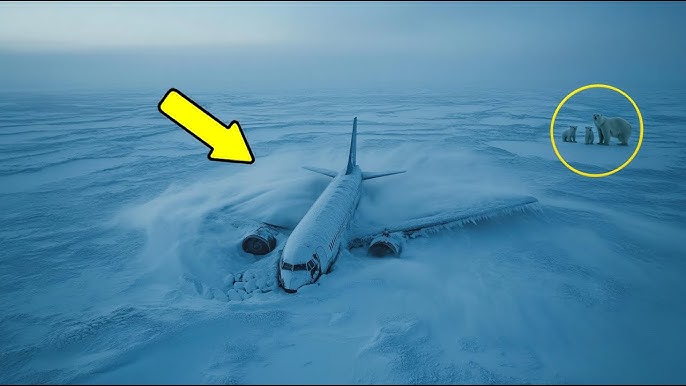
But despite how cinematic and unsettling the story sounds, there is currently no verified scientific evidence supporting the discovery of an ancient advanced airliner beneath the Arctic.
No archaeological institution, polar research organization, or scientific journal has reported finding a technologically advanced aircraft dating back thousands of years before modern aviation. Claims involving “carbon-dated airplanes” or impossible ancient technology are not recognized within mainstream archaeology, engineering, or historical research.
That said, the Arctic has preserved remarkable discoveries.
Because of the extreme cold, ice can preserve objects, bodies, and even entire environments for centuries or millennia. Archaeologists and climate researchers have uncovered:
- Ancient human remains
- Frozen animals such as mammoths
- Lost expeditions trapped in ice
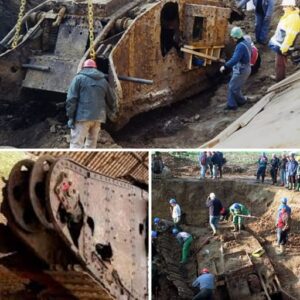
- World War II aircraft buried beneath glaciers
- Ancient tools and artifacts preserved in near-perfect condition


One reason stories like the “lost frozen airliner” feel believable is because real aircraft have disappeared into polar regions and later been rediscovered decades afterward beneath snow and ice accumulation.
However, the more extraordinary elements of the story — such as:
- technology older than civilization,
- unknown corrosion-resistant metals,
- preserved passengers from a forgotten era,
- or evidence of non-human engineering —

belong to speculative fiction and internet mythology rather than documented science.
Carbon dating itself also cannot directly date metal objects. Scientists typically date surrounding organic material, such as wood, cloth, or biological remains. Viral stories often misuse scientific terminology to create the appearance of authenticity.
Still, the fascination surrounding these narratives reflects something deeper about human curiosity.
The Arctic remains one of Earth’s harshest and least explored regions. Beneath its glaciers lie landscapes untouched for thousands of years, preserved like frozen time capsules. As climate change melts ancient ice, researchers are genuinely uncovering lost ecosystems, forgotten artifacts, and traces of human history previously hidden beneath the frozen surface.
This real scientific exploration fuels the imagination:
if ancient ice can preserve entire ecosystems and lost expeditions, what else might still remain hidden beneath kilometers of frozen wilderness?
That question is powerful enough on its own — even without ancient advanced aircraft.
For now, the “lost Arctic airliner” remains best understood as a modern mystery story blending science fiction, archaeology, conspiracy themes, and humanity’s enduring fascination with forgotten civilizations and the unknown.
And perhaps that is why such stories continue spreading:
because they tap into the unsettling possibility that beneath Earth’s oldest ice, there may still be discoveries capable of surprising us in ways we never expected.