Recent studies on fossils found at the Dmanisi archaeological site in the Republic of Georgia are changing the way scientists have understood the initial migration out of Africa by humans. For decades, the commonly accepted theory about the earliest migration out of Africa was that one species of human, Homo erectus, migrated out of Africa approximately 1.8 million years ago. But the new study, which was published in PLOS ONE, now indicates that this pivotal migration could have involved more than one human species.
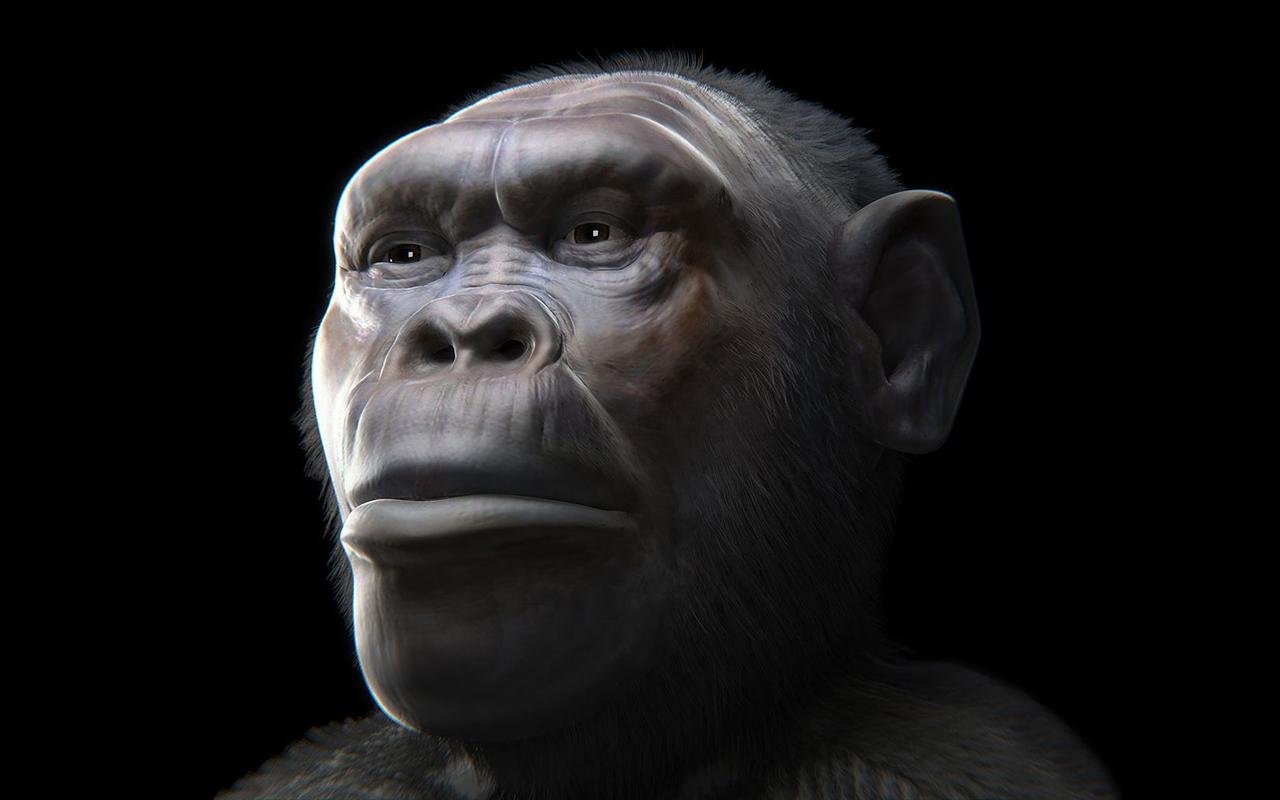
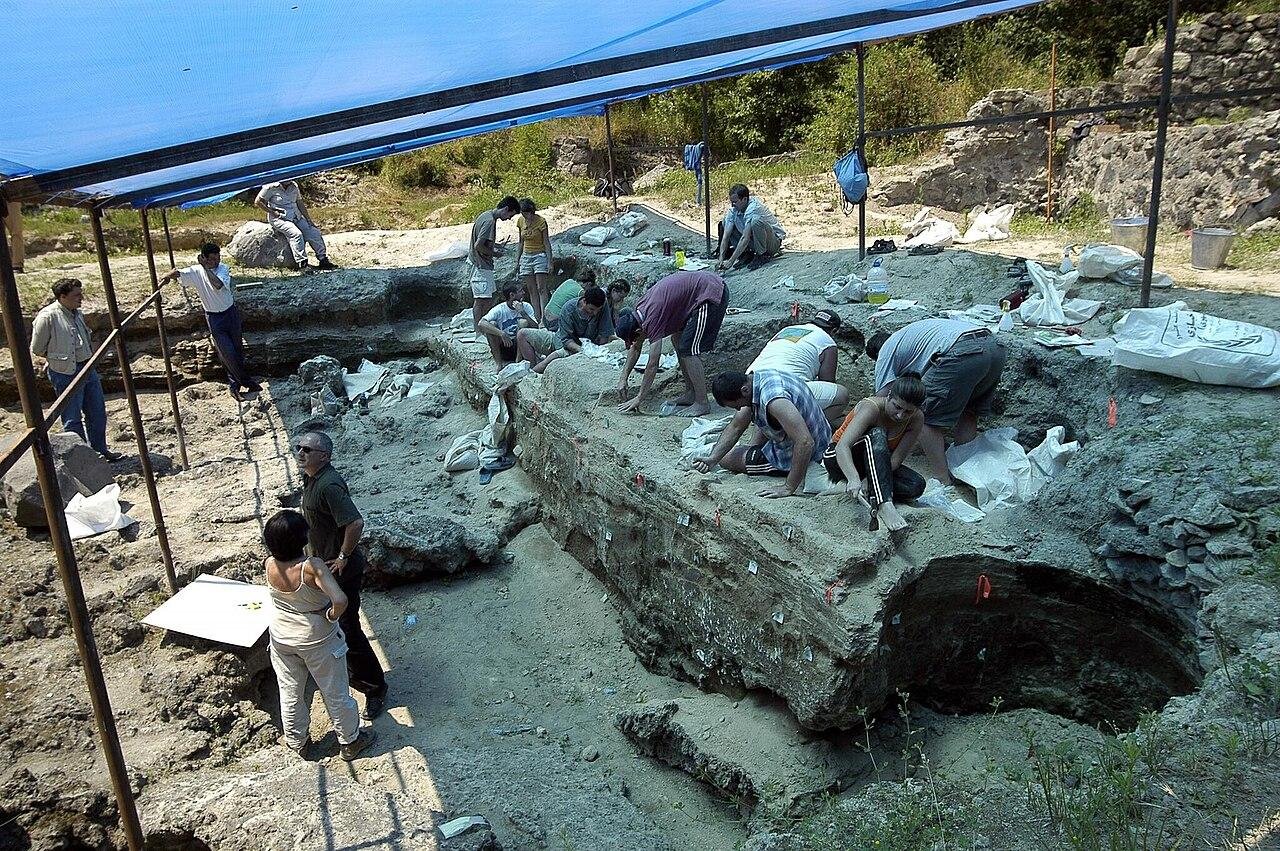
Dmanisi, located southwest of the city of Tbilisi, has given scientists the oldest known hominin remains found outside Africa. Archaeologists began excavations at the end of the 1990s and found stone tools, animal fossils, as well as five human skulls in a preserved state, dating back to the early Pleistocene era. From the outset of the research, the human skulls raised a series of questions among the scientists due to the extreme differences in their size and shape. Some skulls are relatively gracile and human-like, while others, most notably one specimen with a small braincase and a large face, look more primitive.

In order to help distinguish whether these variations represent differences between male and female members of a single species or evidence of more than one species living together, an international team of scientists studied more than just cranial shape. This includes teeth, particularly enamel, which is more resistant to distortion over time and provides valuable information about evolutionary relationships.
The team of scientists analyzed the crown surface area of premolars and molars of three Dmanisi individuals, which had enough dental material to be examined. A total of 583 fossil teeth, taken from the Dmanisi specimens, including australopiths and several early Homo species, were examined using statistical methods of classification. This large comparative framework allowed the researchers to determine whether the Georgian fossils clustered together or aligned with different branches of the human family tree.
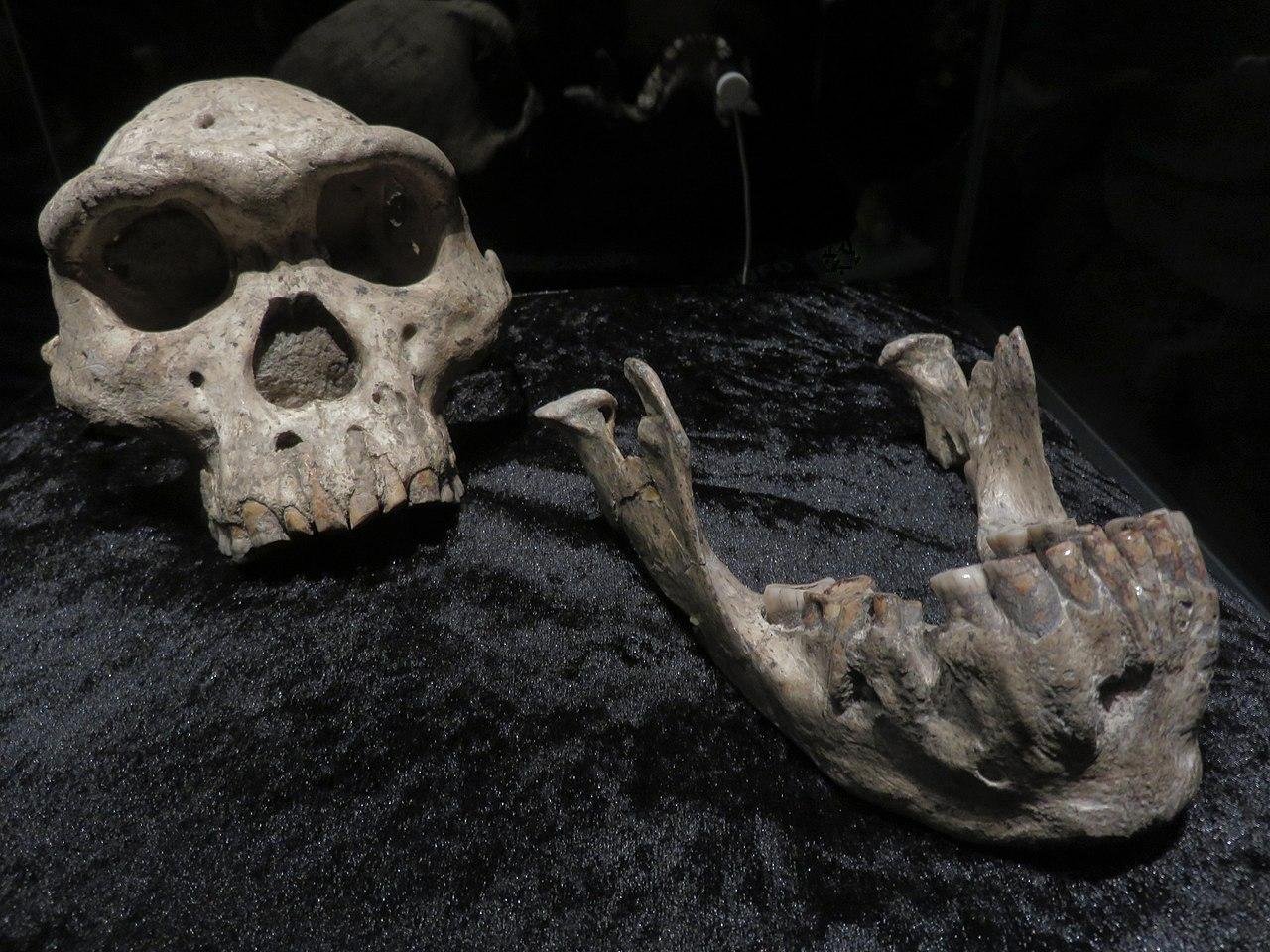
The results of the analysis showed that there was a clear split. While one of the Dmanisi fossils was more closely related to the australopiths, earlier and more ape-like ancestors, the other two were more closely related to the early members of the genus Homo. The level of difference was too large to be explained by sexual dimorphism alone, even compared to highly dimorphic great apes, such as gorillas.
Based on these results, the researchers support the idea that at least two human species coexisted at Dmanisi sometime around 1.8 million years ago. These groups are often classified as Homo georgicus, representing the more primitive form, and Homo caucasi, representing the more human-like species.
If confirmed, these findings would have major significance for human evolutionary history. Rather than one linear spread of humans from Africa led by Homo erectus, early migrations out of Africa could have involved several human species adapting in their own way to their new environments. This suggests that early human history could have been much more complex than was ever thought.