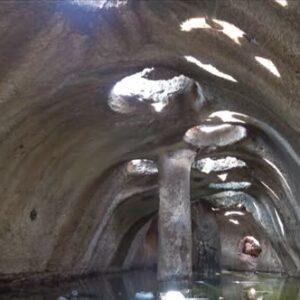
For nearly a thousand years, the most powerful voice in the ancient world didn’t belong to a king or a general. It belonged to a woman seated over a crack in the rock, deep inside a temple on a Greek mountainside.
She was the Pythia — the Oracle of Delphi. Rulers waited months and crossed seas to ask her advice. Wars were launched, colonies founded, and fates decided on her word. And the great question, then and now, is the same: where did her trance really come from?
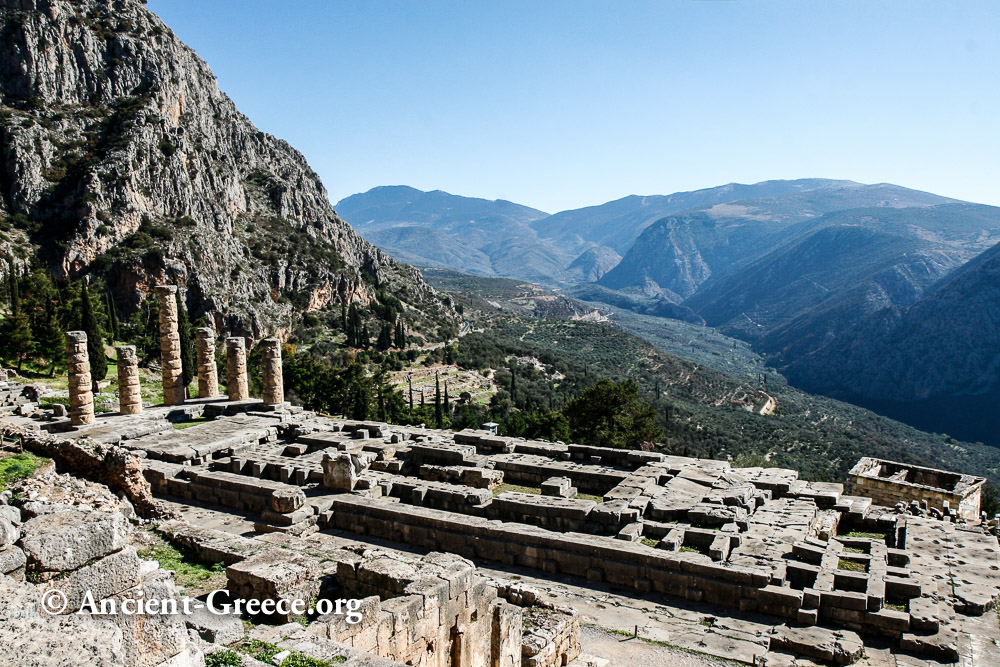
The most trusted voice in the ancient world
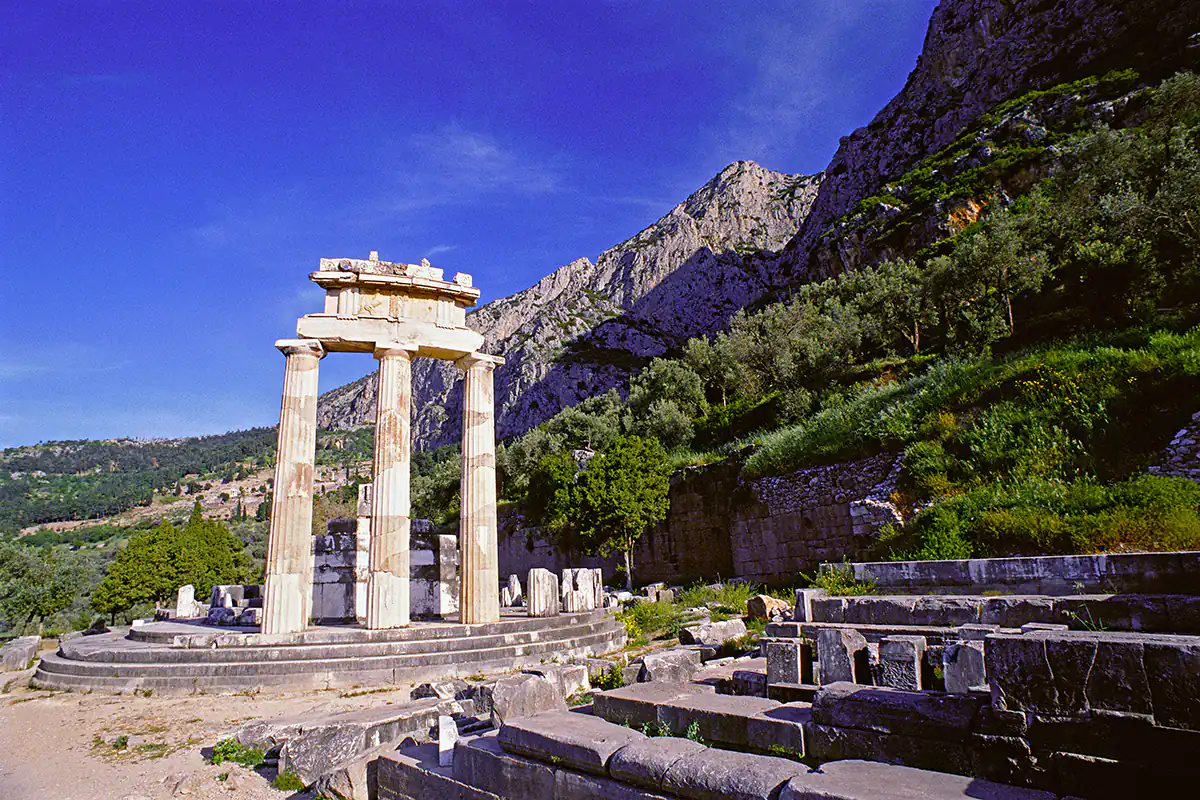
Delphi was considered the very center of the world by the ancient Greeks. There, in the temple of Apollo, the Pythia served as the god’s mouthpiece.
The ritual was famous and strange: the priestess would seat herself over a sacred spot, fall into an altered, trance-like state, and utter words that priests then interpreted as prophecy. Her pronouncements carried staggering authority — statesmen, generals and ordinary people alike shaped their lives around them for centuries.
The Greeks had a simple explanation: the god Apollo was speaking through her. But for modern investigators, a more earthly question lingered. What actually put her into that trance?
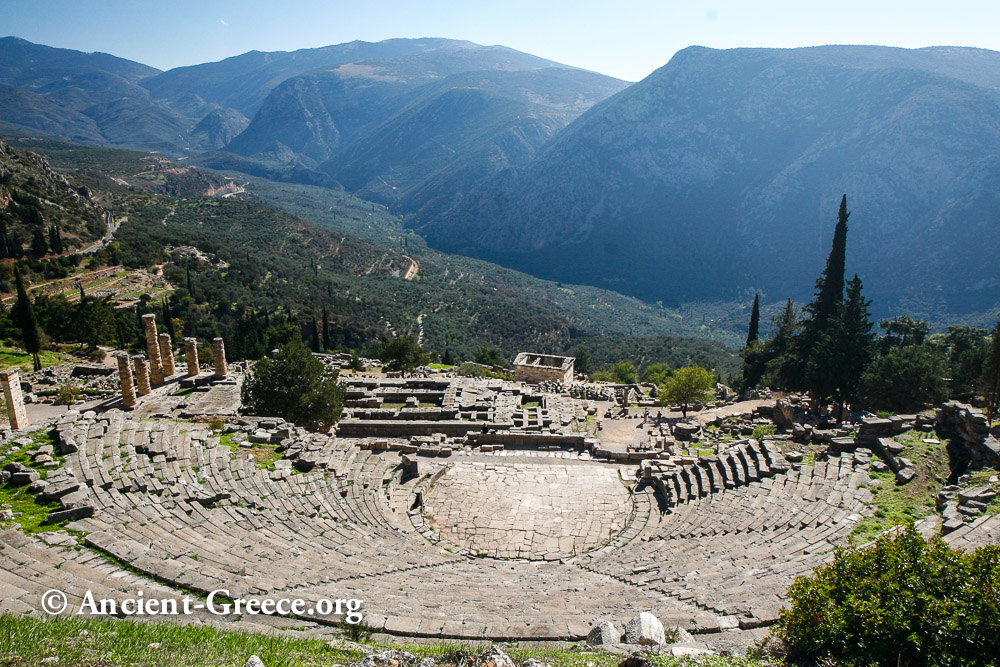
A crack in the earth — and a sweet-smelling gas
Ancient writers hinted at part of the answer: they described a vapor, a pneuma, rising from a fissure beneath the temple, and a sweet smell in the chamber.
In modern times, a team including a geologist, a chemist, an archaeologist and a toxicologist reportedly investigated and proposed a fascinating theory. Delphi sits on intersecting geological faults, above layers of bituminous (petroleum-rich) rock. Movement and friction along these faults — in an earthquake-prone region — could heat those layers and release light hydrocarbon gases that rise through cracks into the temple.
One gas in particular drew attention: ethylene. It reportedly has a sweet smell, and in low doses it was once used as an anesthetic — producing exactly the kind of effect the sources describe: a floating, euphoric, semi-conscious trance in which a person stays awake and can speak, but may also feel disembodied or cry out wildly.
A priestess “possessed by a god” — possibly riding the high of gas seeping up from the rock she sat on.
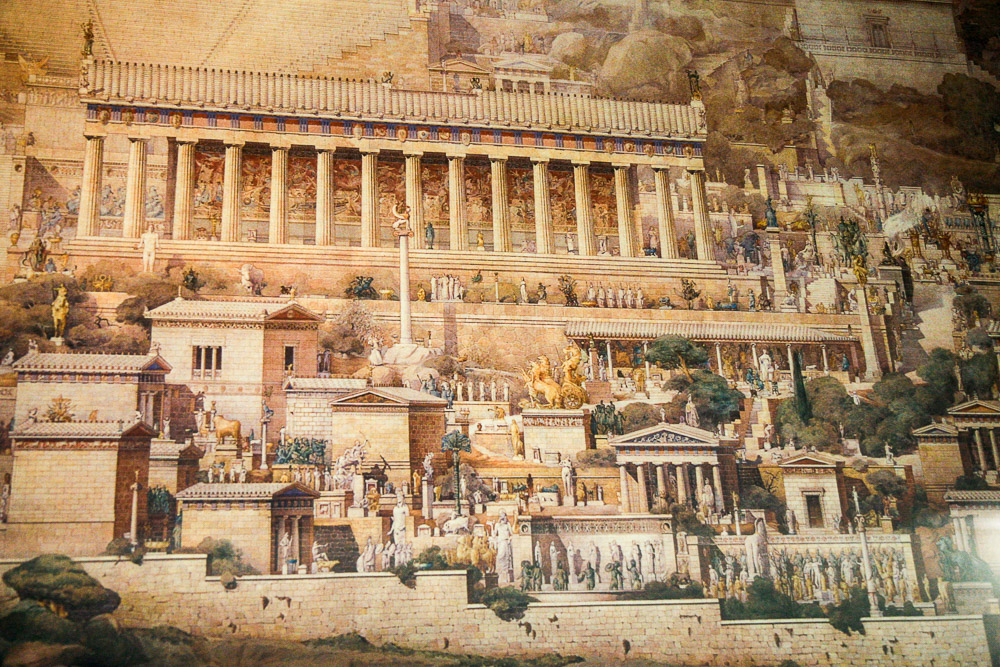
Not so fast: the honest debate
Here’s where intellectual honesty matters — because this theory, as elegant as it is, is not settled.
When other researchers brought sensitive instruments to Delphi, some reportedly found no ethylene at all. Other work turned up significant amounts of carbon dioxide and methane seeping from the ground instead — gases that could plausibly cause altered states (or simply oxygen-starving dizziness), but that complicate the neat “ethylene” story.
So the truthful position is this: there genuinely are gases and active faults beneath Delphi, and a chemical explanation for the trance is plausible — but exactly which gas, in what concentration, and whether it’s the whole story, remains debated. No one can say for certain.
Trance, theatre, or something we can’t measure?
There are other possibilities, too, and good scholars hold them. Perhaps the trance owed as much to ritual, fasting, suggestion and the sheer psychological weight of the role as to any gas. Perhaps the famous “vapors” were partly literary tradition. The Pythia was a trained religious figure at the heart of an institution that lasted a millennium — that’s not nothing.
What’s beautiful is that the mystery sits right at the seam of science and belief: a place where geology, chemistry, psychology and faith all reach for the same trembling woman on her seat — and none can fully claim her.
So here’s the question worth sitting with: if a crack in the earth really could loosen a human mind into “prophecy,” how much of what ancient people called divine was the planet itself, breathing?