Biblical Angels or Unknown Craft? Why the Debate Keeps Growing
A recently circulated piece of military-style footage showing a strange rotating aerial object has reignited debate across both UFO communities and religious circles.
The object’s unusual shape and movement led many online viewers to compare it to descriptions found in ancient religious texts, especially the famous vision described in the Book of Ezekiel.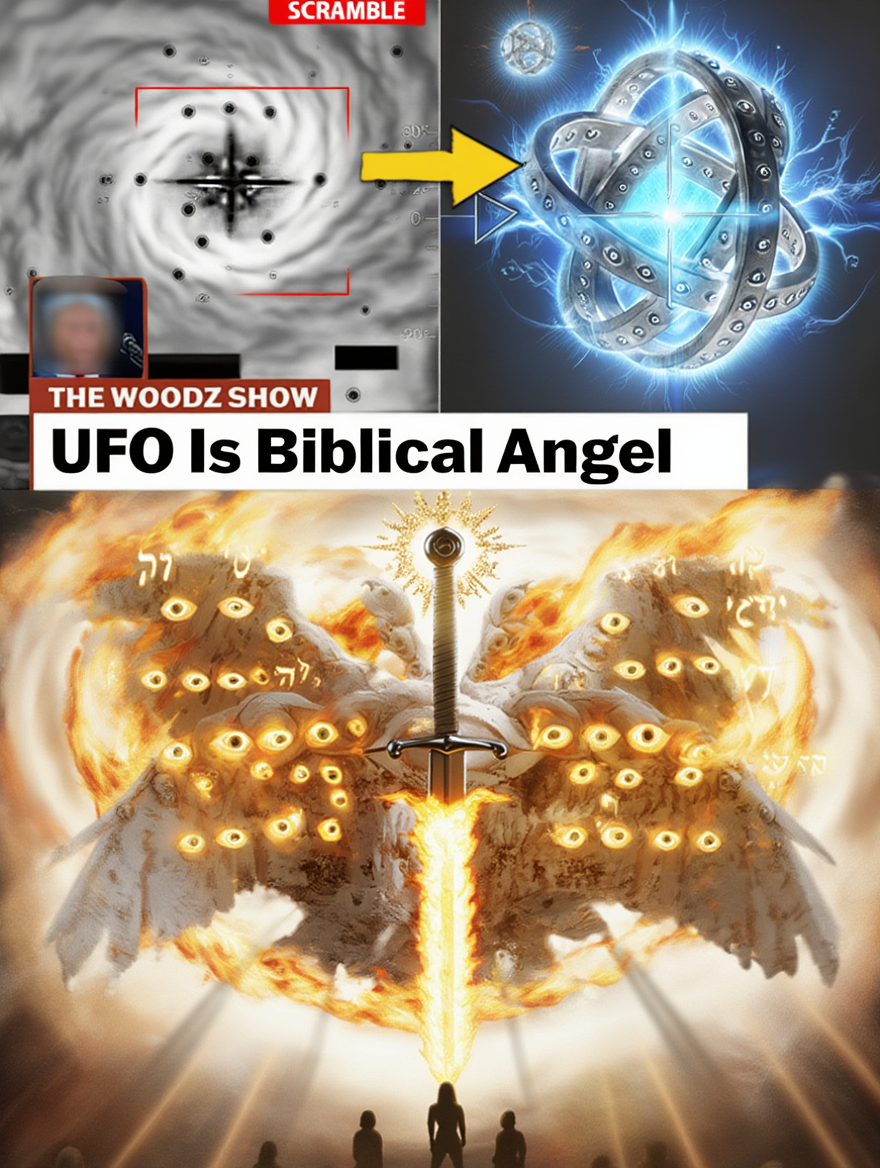
In that biblical account, Ezekiel describes fiery wheels, radiant light, and complex moving forms descending from the heavens — imagery that has fascinated theologians, historians, and mystery researchers for generations.
Because of the symbolic and unusual nature of the description, some modern interpretations attempt to connect these ancient visions to unidentified aerial phenomena.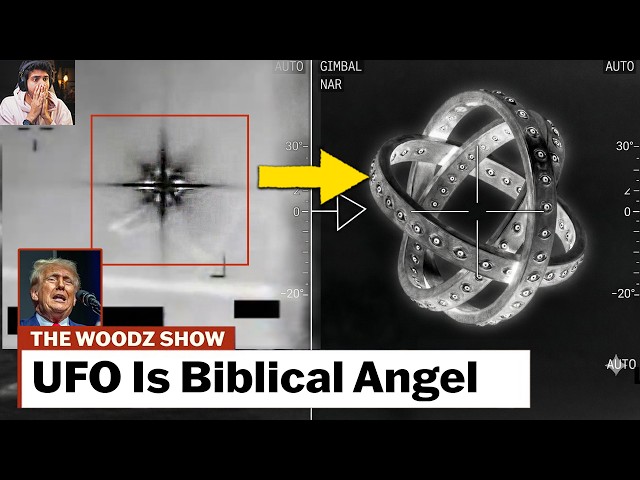
Supporters of this idea argue that certain ancient accounts resemble modern reports involving glowing objects, rotating structures, and unexplained lights in the sky.
Social media discussions often suggest that civilizations in the distant past may have interpreted unfamiliar aerial events through religious or spiritual language.
However, historians and biblical scholars strongly caution against taking symbolic religious texts as literal descriptions of advanced technology or extraterrestrial craft.
Ancient writings were often deeply metaphorical, shaped by spiritual traditions, cultural symbolism, and the language available at the time.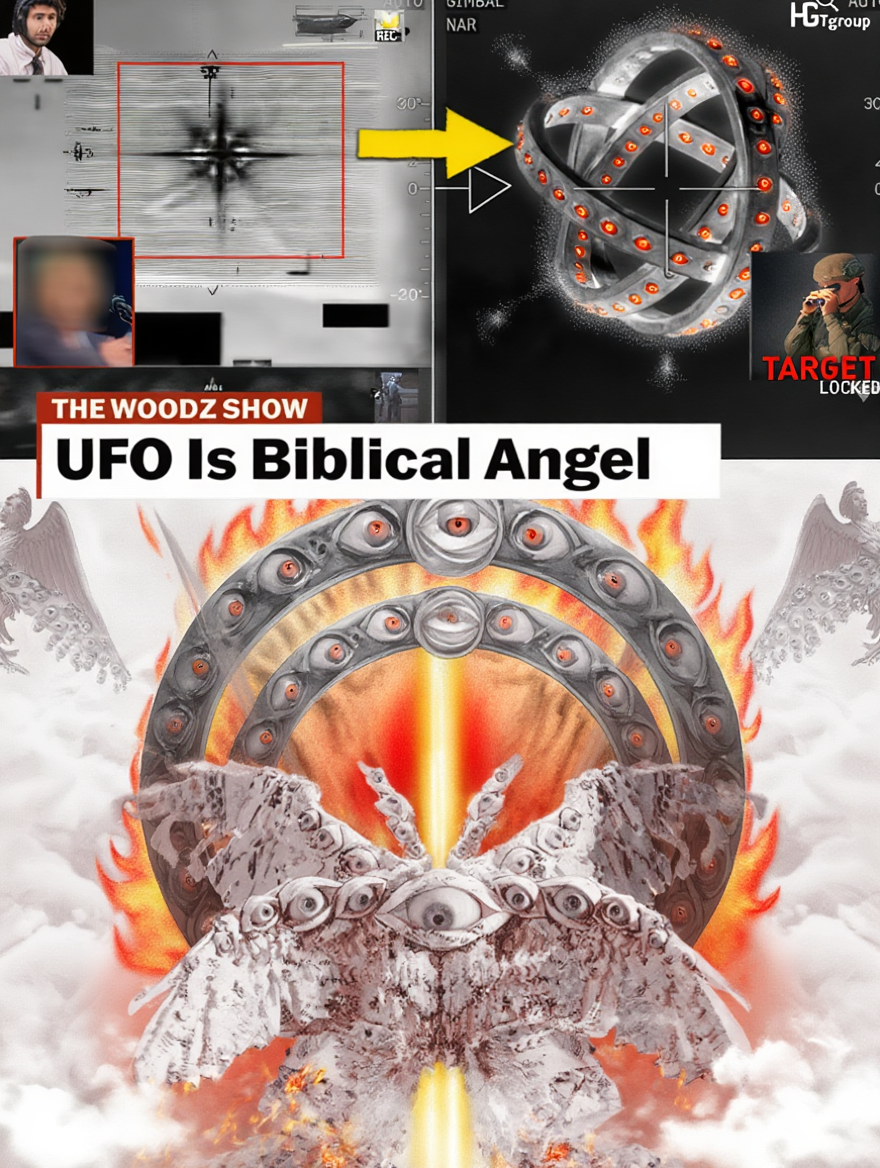
Experts studying aerial footage also emphasize that unusual visual effects can result from:
- camera distortion,
- infrared imaging artifacts,
- atmospheric conditions,
- perspective changes,
- or misunderstood aircraft movement.

At present, there is no verified evidence connecting biblical accounts to extraterrestrial spacecraft or supernatural technology.
Likewise, unexplained aerial footage does not automatically imply non-human origins.
Still, the overlap between ancient symbolism and modern UFO imagery continues to capture global fascination because it touches on profound questions about humanity’s place in the universe.
Across history, people have looked to the skies seeking meaning, warning, or signs of something greater than themselves.
Whether interpreted through religion, mythology, or modern science, mysterious objects in the sky tend to inspire the same emotional response:
wonder mixed with uncertainty.
For many, these stories are compelling not because they prove anything conclusively, but because they blur the boundary between the ancient world and modern mystery.
And perhaps that is why debates like this continue to spread —
because humans have always searched the heavens for answers, long before technology gave those questions new shapes.