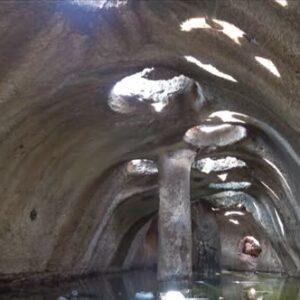
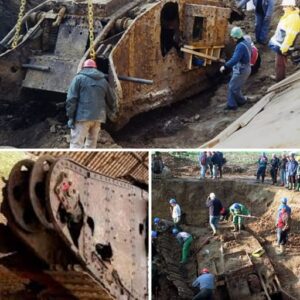
Some ancient structures seem almost impossible to explain—even with modern engineering. The deeper researchers investigate, the more one fascinating question refuses to disappear: did ancient builders possess techniques that have since been forgotten?
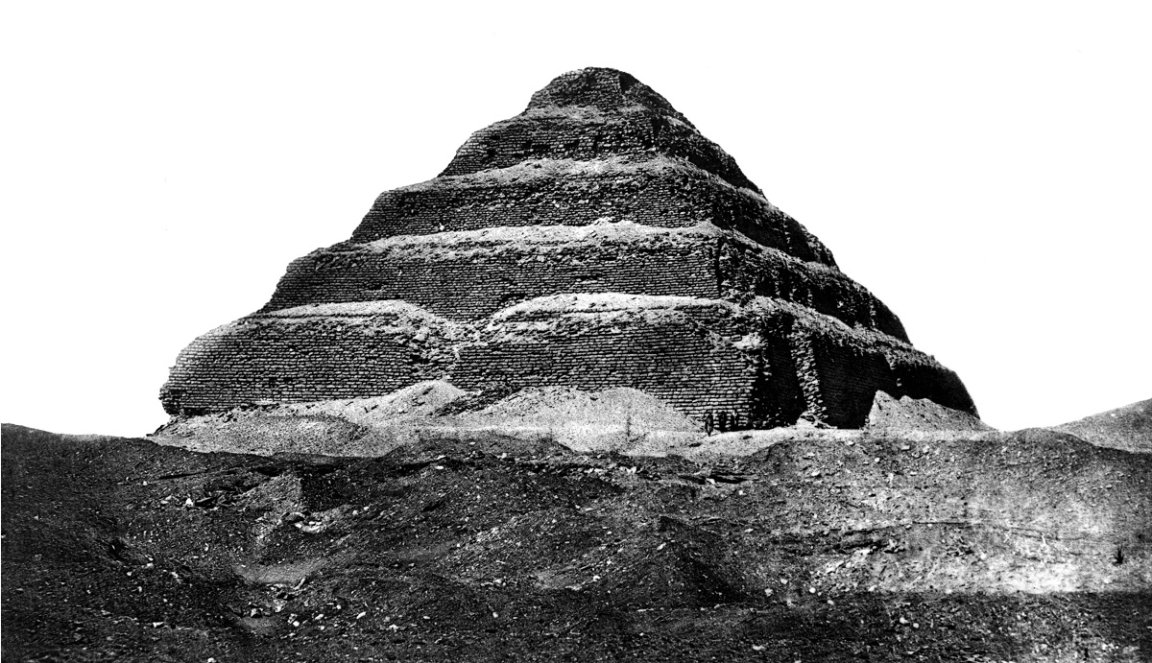
While no evidence proves the existence of mysterious machines or impossible technology, archaeologists increasingly acknowledge that certain construction methods remain only partially understood. That possibility has transformed familiar ruins into one of history’s most captivating investigations.

Engineering Beyond Its Time?
Across the ancient world, enormous stone monuments continue to challenge assumptions about early engineering. Massive blocks weighing dozens or even hundreds of tons were transported, shaped, and assembled with remarkable precision.
These achievements demonstrate extraordinary planning, skilled craftsmanship, and sophisticated organization. Yet some details of exactly how specific tasks were completed remain uncertain.
What Makes These Structures So Remarkable?
- Precisely fitted stone blocks with minimal gaps.
- Carefully aligned monuments connected to astronomical observations.
- Construction projects requiring decades of planning and labor.
- Engineering techniques that have not been fully reconstructed.
And that is where the mystery begins—not because archaeologists lack evidence, but because some practical methods have left few direct traces.
What Archaeologists Know Today
Mainstream archaeology provides strong evidence that ancient civilizations possessed highly organized workforces, specialized craftsmen, advanced surveying techniques, and an impressive understanding of mathematics and construction.
Excavations have uncovered stone tools, copper implements, quarry sites, unfinished monuments, ramps, transportation systems, and written records describing parts of the building process.
However, researchers also acknowledge that archaeological evidence is rarely complete. Organic materials decay, written documents disappear, and construction techniques passed from one generation to another may vanish entirely.
That does not necessarily mean the builders possessed futuristic technology. Instead, it suggests that valuable engineering knowledge can simply be lost over thousands of years.
The Questions Researchers Still Debate
Were There Construction Methods We No Longer Understand?
Many specialists believe this is entirely possible. Ancient master builders may have relied on combinations of practical experience, specialized tools, and engineering techniques that were never fully documented.
If those traditions disappeared, modern researchers would be left with impressive monuments but only fragments of the original methods.
But that’s only part of the story.
Could Extraordinary Human Skill Explain Everything?
The prevailing interpretation among archaeologists is yes. Experimental archaeology has demonstrated that surprisingly large stones can be moved using ropes, wooden sledges, carefully designed ramps, and coordinated teams.
Even so, recreating some achievements remains exceptionally difficult, leaving room for ongoing research rather than definitive conclusions.
Alternative Hypotheses
Some alternative theories suggest unknown technologies or forgotten scientific knowledge played a role. Others speculate about advanced civilizations predating recorded history.
At present, these ideas remain hypotheses. No verified archaeological evidence has confirmed the existence of advanced machines or technology beyond what is supported by current discoveries.
Evidence Behind Each Interpretation
Established Archaeological Evidence
- Ancient quarry sites connected to major monuments.
- Tool marks consistent with known stoneworking techniques.
- Evidence of organized labor and logistics.
- Experimental reconstructions showing many methods were achievable.
Evidence Supporting Lost Construction Knowledge
- Incomplete historical records.
- Construction techniques that remain difficult to replicate exactly.
- Regional traditions that disappeared after civilizations declined.
- Exceptional craftsmanship requiring generations of accumulated expertise.
These findings suggest that forgotten engineering practices are a realistic possibility—even without invoking extraordinary technologies.
Why the Mystery Still Matters Today
Every unanswered question encourages new research into ancient engineering, materials science, architecture, and archaeology.
Understanding how these monuments were built could reshape our appreciation of human innovation and reveal just how sophisticated ancient societies truly were.
Perhaps the greatest lesson is that technological progress is not always a straight line. Knowledge can flourish, disappear, and sometimes remain hidden for centuries.
Modern Discoveries Continue to Change the Picture
Recent advances in laser scanning, satellite imagery, digital reconstruction, and materials analysis are helping researchers examine ancient monuments with unprecedented precision.
These technologies have uncovered hidden chambers, previously unknown settlements, and subtle construction details that earlier generations could not detect.
And then archaeologists discovered something unexpected: many assumptions about ancient engineering were too simplistic. Instead of impossible technology, the evidence increasingly points toward remarkable human ingenuity combined with techniques that may simply have been forgotten over time.
Yet one question still remains. How many other lost methods are waiting to be rediscovered beneath layers of history?
Final Thoughts
The enduring fascination surrounding ancient construction lies not in proving extraordinary claims but in recognizing the extraordinary achievements that unquestionably existed.
Archaeologists continue to distinguish carefully between established evidence, reasonable interpretation, and speculation. While no confirmed proof demonstrates mysterious advanced technology, the possibility that valuable engineering knowledge has been lost remains an active and compelling area of research.
As new discoveries emerge, humanity’s understanding of the ancient world continues to evolve—and some of history’s greatest mysteries may still be waiting beneath the next excavation.
What Readers Are Saying
- Michael Turner: “I’ve read about this topic before, but this explained it in a way that kept me hooked from start to finish.”
- Emily Carter: “It’s incredible how many unanswered questions still exist in human history.”
- David Brooks: “Now I want to learn everything about ancient civilizations.”
- Sarah Collins: “I appreciated how the article separated evidence from speculation.”
- James Wilson: “The gradual reveal made this feel like reading a historical investigation.”
- Olivia Bennett: “This gave me a whole new appreciation for ancient engineering.”
- Daniel Hughes: “Balanced, informative, and genuinely fascinating.”
Frequently Asked Questions
Is there evidence that ancient builders used lost technology?
There is evidence that some construction techniques are not fully understood today. However, there is no confirmed evidence of advanced machines beyond what archaeology currently supports.
What do archaeologists believe today?
Most archaeologists conclude that ancient builders achieved remarkable results through skilled labor, careful planning, sophisticated engineering, and techniques that may not have survived in written records.
Has modern technology changed our understanding?
Yes. Laser scanning, satellite mapping, and advanced materials analysis continue to reveal new details about ancient construction and settlement patterns.
Why is this mystery still unsolved?
Many ancient documents have been lost, while organic construction materials have decomposed over thousands of years, leaving only partial evidence behind.
Can tourists visit many of these archaeological sites?
Yes. Numerous famous ancient monuments around the world are open to visitors, although access to certain areas may be restricted for conservation and ongoing research.