What gives a work of art the power to make complete strangers pause in silence? Sometimes, a single sculpture can preserve a lifetime of love, grief, and remembrance in a moment that never ends.

Few funerary monuments evoke such emotional reflection as The Last Goodbye, a sculpture associated with love, loss, and the enduring desire to keep cherished memories alive.
The Story Behind an Unforgettable Farewell
The sculpture portrays a man kneeling beside the body of a young woman, sharing what appears to be a final, eternal kiss. Rather than emphasizing despair alone, the composition captures a delicate balance between sorrow and devotion.
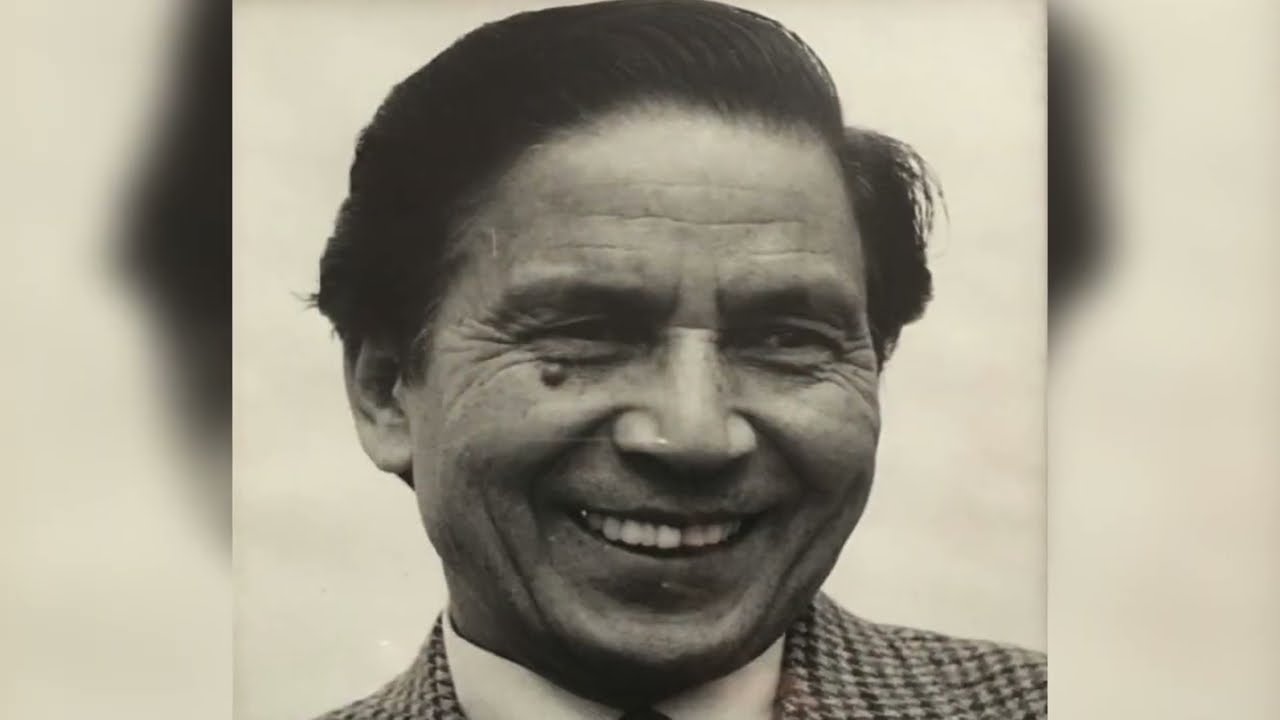
According to the story connected with the monument, it commemorates Antônio and Maria Cantarella. After Antônio’s passing, Maria commissioned the sculpture as a lasting expression of their profound bond and the grief that accompanied their separation.
Whether viewed as a deeply personal memorial or an artistic statement about love, the monument continues to move visitors who encounter it.
Artistic Symbolism Beyond Mourning
A Farewell Frozen in Stone
Instead of portraying death as an ending, the sculpture presents an intimate farewell that appears to transcend time. The kiss becomes a symbol of remembrance rather than simply a final gesture.
Sensuality in a Funerary Setting
One of the most discussed aspects of the work is its sensual treatment of the human body. The carefully sculpted figures emphasize tenderness and physical closeness, an artistic choice that has often been described as bold within the context of funerary art.
Rather than existing for shock value, the sensual forms can be interpreted as expressing how love persists despite mortality.
How Art Historians Interpret the Sculpture
Specialists generally view the monument through several complementary perspectives rather than a single explanation.
- It symbolizes enduring romantic devotion.
- Its sensual composition transforms grief into beauty.
- The eternal embrace suggests memory surviving beyond death.
- Its emotional realism distinguishes it from more traditional funerary monuments.
Each interpretation highlights different emotional layers without diminishing the personal story believed to inspire the work.
Different Perspectives
Established Understanding
The sculpture is widely appreciated as an expressive example of funerary art that explores love, remembrance, and separation through realistic human forms.
Artistic Interpretation
Many critics suggest that the embrace represents the triumph of emotional connection over physical mortality, using intimacy as a metaphor for permanence.
Personal Reflection
Visitors often bring their own experiences to the sculpture. Some see hope, others overwhelming grief, while many simply recognize the universal experience of saying goodbye.
Why the Sculpture Continues to Resonate
Powerful memorials often outlive the people they commemorate because they speak to emotions shared across generations.
This work encourages viewers to consider difficult questions: Can love truly outlast death? How should grief be remembered? Can beauty soften loss without diminishing it?
There may never be universal answers, but the sculpture continues inviting each visitor to search for their own.
Modern Appreciation
Today, the monument is frequently discussed among admirers of sculpture and funerary art for its emotional depth and distinctive artistic language.
Its combination of realism, symbolism, and human vulnerability continues to inspire conversations about the role of art in preserving memory.
Final Thoughts
Some monuments celebrate victories or historical events. Others preserve something far more intimate: the emotions that define human life.
The enduring impact of this sculpture lies not only in its craftsmanship but also in its ability to transform personal grief into a universal reflection on love, memory, and the bonds people hope will never truly end.
What Readers Are Saying
- Michael Turner: “This story gave me a completely new appreciation for funerary sculpture.”
- Emily Carter: “Beautifully written and genuinely moving.”
- David Brooks: “I never imagined a cemetery monument could carry so much emotion.”
- Sophia Bennett: “The symbolism was explained in a thoughtful and balanced way.”
- James Collins: “Now I want to learn more about Brazilian sculpture and memorial art.”
- Rachel Morris: “An unforgettable story about love, memory, and artistic expression.”
Frequently Asked Questions
What is The Last Goodbye?
It is a funerary sculpture associated with themes of love, grief, and remembrance through an intimate farewell scene.
Why is the sculpture considered unusual?
Its sensual composition is uncommon in funerary art, making it a memorable example of emotional symbolism.
What does the eternal kiss represent?
Many interpret it as a symbol of enduring love and memory that survives beyond physical death.
Is every interpretation of the sculpture universally accepted?
No. While the emotional themes are widely recognized, artistic symbolism naturally invites multiple interpretations.
Why does the sculpture remain significant today?
It continues to resonate because it addresses timeless human experiences of love, loss, remembrance, and hope.